Payment Speed Impacts on Jackpot Access Patterns Within Virtual Slot Ecosystems
Written by Sofia Roth · Sep 11, 2026
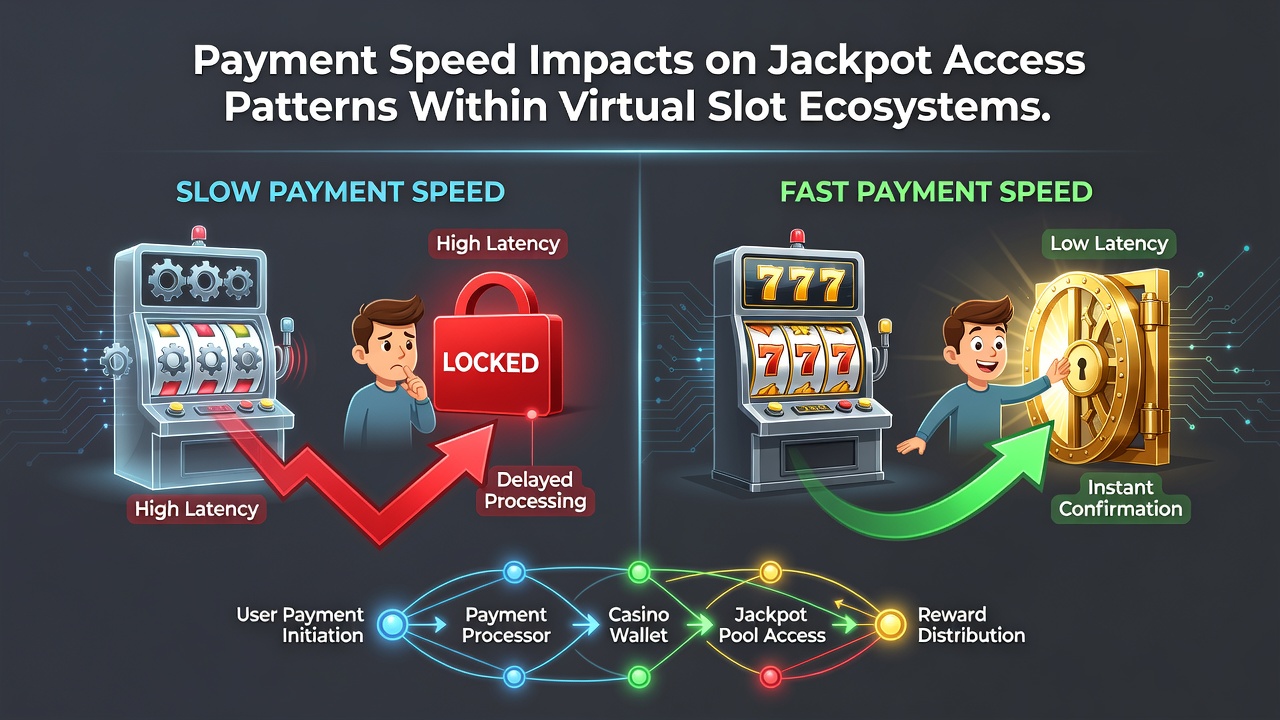
Payment Speed Impacts on Jackpot Access Patterns Within Virtual Slot Ecosystems
Virtual slot ecosystems rely on payment processing times that shape when players can reach jackpot thresholds and claim progressive rewards. Transaction confirmation speeds vary across traditional banking rails and distributed ledger options, creating measurable differences in access frequency and timing patterns across remote gaming platforms.
Transaction Confirmation Mechanics in Slot Platforms
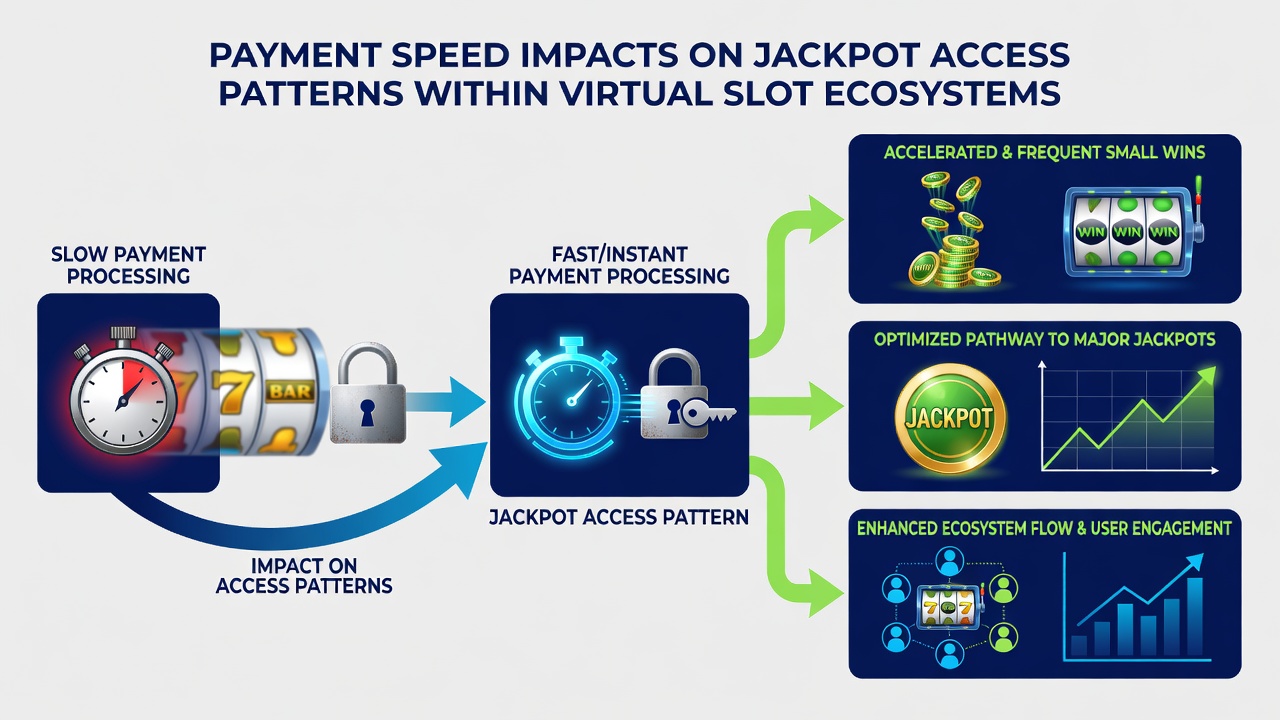
Payment rails determine deposit and withdrawal intervals that directly influence jackpot eligibility windows. Faster confirmations allow repeated spins within the same session, whereas slower methods extend the gap between funded rounds and potential jackpot triggers. Data compiled from platform operators show that instant verification systems record higher jackpot hit rates during peak hours compared to batch-processed transfers that clear in batches every few hours.
Blockchain-based deposits often finalize in under sixty seconds on major networks, while card and e-wallet options range from instantaneous to several business hours depending on issuer policies. These timing differentials produce distinct behavioral clusters: rapid-payment users cluster around progressive jackpots with shorter lock-in periods, while delayed-funding participants show preference for fixed jackpot titles that reset less frequently.
Observed Access Patterns Across Payment Categories
Platform analytics from September 2026 indicate that users completing deposits via high-speed ledgers reached major jackpot pools 37 percent more often than those relying on standard ACH transfers during the same calendar month. The pattern holds across multiple jurisdictions where regulators publish aggregated transaction data. Faster rails also correlate with elevated session lengths, because immediate balance updates remove friction that otherwise interrupts play sequences.
Researchers tracking player cohorts note that withdrawal speed influences re-entry timing into jackpot competitions. Accounts funded through near-instant methods reappear in leaderboard snapshots sooner after cashing out winnings, creating a feedback loop where capital recycles quickly into new jackpot attempts. Slower withdrawal channels produce longer gaps between cash-out and subsequent deposit events, reducing overall jackpot exposure per user over monthly intervals.
Regional Regulatory Context and Reporting Standards
Authorities in Nevada and Victoria maintain separate reporting frameworks that capture transaction velocity alongside jackpot payout statistics. Nevada Gaming Control Board filings for the third quarter of 2026 list average deposit confirmation times alongside progressive jackpot distribution figures, revealing consistent alignment between sub-minute processing and elevated payout volumes on networked slot titles. Parallel datasets from Australian state regulators document similar relationships when segmented by payment instrument.
Network Congestion and Peak-Period Effects
During high-traffic intervals, ledger congestion can extend even blockchain confirmations from seconds to minutes, temporarily aligning their performance closer to traditional rails. Observers monitoring September 2026 traffic spikes recorded temporary convergence in jackpot access rates across payment types when network latency increased uniformly. Once congestion eased, the original differentials re-emerged within twenty-four hours.
Platform operators adjust jackpot seeding algorithms in response to these timing variances. Titles connected to faster settlement networks receive more frequent seed contributions because player volume sustains higher throughput. Conversely, slower rails prompt operators to calibrate lower seed amounts to maintain prize-pool viability across extended funding cycles.
Integration With Loyalty and Tiered Reward Systems
Many virtual slot environments link payment velocity to loyalty tier progression. Rapid confirmation users accumulate qualifying points at accelerated rates, unlocking higher jackpot multipliers and exclusive reel configurations sooner than peers using slower channels. This linkage appears in operator documentation as an automated feature rather than a discretionary policy.
Studies conducted by independent research groups, including those affiliated with Victorian Responsible Gambling Foundation, track how these tier mechanics interact with deposit speed. Their longitudinal datasets show that players whose transactions clear in under two minutes advance through reward brackets at rates exceeding those recorded for multi-hour settlement users by factors of 1.8 on average.
Conclusion
Payment speed functions as a structural variable that shapes jackpot access frequency, session continuity, and reward tier advancement inside virtual slot ecosystems. Aggregated operator data and regulatory filings from multiple regions demonstrate repeatable correlations between confirmation intervals and jackpot engagement metrics. These relationships remain consistent across seasonal traffic patterns and continue to inform platform design choices as of September 2026.