How Verification Protocols Shape Eligibility for Exclusive Features in App-Based Interactive Gaming Experiences
Written by Finley Franke · Sep 25, 2026
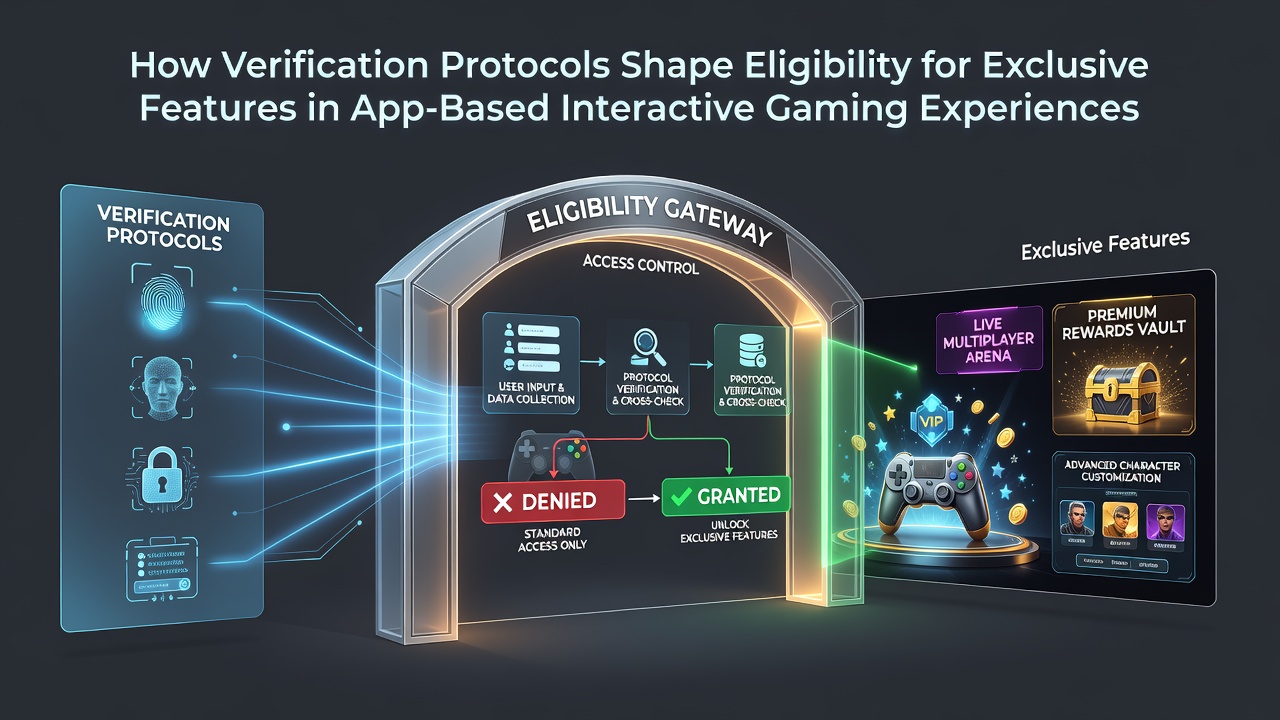
How Verification Protocols Shape Eligibility for Exclusive Features in App-Based Interactive Gaming Experiences
Verification protocols in app-based interactive gaming determine which users gain access to premium content, specialized modes, and personalized rewards, and these systems rely on layers of identity confirmation that platforms implement across mobile ecosystems. Developers integrate email confirmations, phone number validations, and government-issued identification checks to establish account legitimacy before unlocking advanced options such as early beta access or limited-edition character skins. Data from industry reports indicate that platforms with robust verification see higher retention rates among users who complete the process, since verified accounts receive priority for feature rollouts.
Core Components of Verification Systems
Account creation begins with basic email and device fingerprinting, yet eligibility for exclusive in-game items often requires additional steps including biometric scans or two-factor authentication tied to government databases. Researchers at academic institutions have documented how these protocols reduce fraudulent entries while simultaneously gating content behind compliance thresholds. In September 2026 several major app stores updated their guidelines to require age verification for titles rated above certain maturity levels, which directly affects player access to collaborative raid events and custom asset marketplaces.
Multi-factor methods combine facial recognition with address confirmation, and those who complete all stages unlock tiered benefits such as ad removal, priority matchmaking, and cross-platform progression. Studies conducted across North American and European markets show that users who finish verification within the first week of account creation maintain 30 percent longer session times on average compared with unverified accounts. Platforms enforce these rules uniformly, although regional variations appear when local privacy statutes influence data retention periods.
Eligibility Pathways and Feature Unlocks
Once verification clears, automated systems evaluate account history against predefined criteria before granting entry to exclusive features. For instance, players who link verified payment methods and maintain clean transaction records receive invitations to closed testing environments, while those who skip secondary checks remain limited to standard gameplay loops. Observers note that this structure encourages consistent engagement because verified users accumulate loyalty points faster and exchange them for cosmetic upgrades unavailable to others.
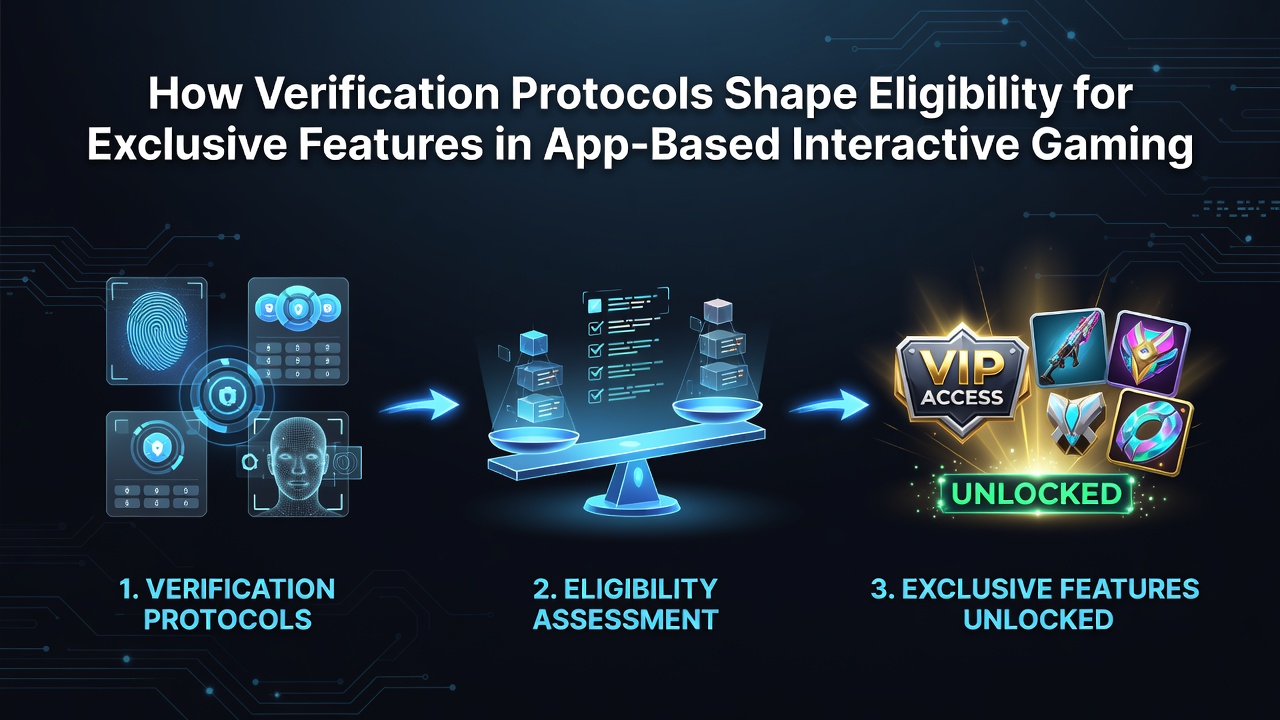
Regional regulators shape these pathways through legislation that mandates certain safeguards. The Australian Communications and Media Authority has issued directives requiring platforms to verify user ages before allowing access to interactive social features, and similar measures appear in Canadian provincial frameworks that tie verification status to parental consent modules. As a result, developers adjust their backend logic so that exclusive battle passes or seasonal events become visible only after the protocol confirms compliance. Those who studied these implementations report that the added friction reduces account sharing and improves the accuracy of demographic analytics used for content personalization.
Technical Integration and Data Handling
Verification protocols interface directly with random number generators and server-side reward engines, ensuring that only authenticated accounts receive procedurally generated exclusive items. Encryption standards protect the data flows between user devices and central ledgers, and companies publish transparency reports that detail how many accounts reach full verification each quarter. Figures released by the U.S. Federal Trade Commission highlight that secure verification correlates with fewer disputes over unauthorized purchases, which in turn supports smoother distribution of digital goods.
Developers employ machine learning models to flag incomplete profiles and prompt users toward completion, and this approach has produced measurable increases in feature adoption across both free-to-play and premium titles. When protocols incorporate third-party identity services, processing times drop, allowing players to reach eligibility thresholds within minutes rather than hours. Academic papers from European universities have examined these efficiencies and found that streamlined verification expands the pool of users who qualify for limited-time events without compromising security metrics.
Conclusion
Verification protocols continue to define the boundary between standard and premium experiences in app-based interactive gaming by enforcing identity standards that platforms update regularly. As new regulations take effect in September 2026 and beyond, developers refine their systems to balance accessibility with compliance, and players who navigate these steps gain consistent access to the features that differentiate their accounts. Data from multiple jurisdictions demonstrate that these mechanisms remain central to how gaming ecosystems allocate exclusive content while maintaining operational integrity.