How Payment Pathways Shape Progressive Jackpot Access Within Loyalty Structures at Digital Gaming Venues
Written by Dana Hartmann · Oct 23, 2026
How Payment Pathways Shape Progressive Jackpot Access Within Loyalty Structures at Digital Gaming Venues
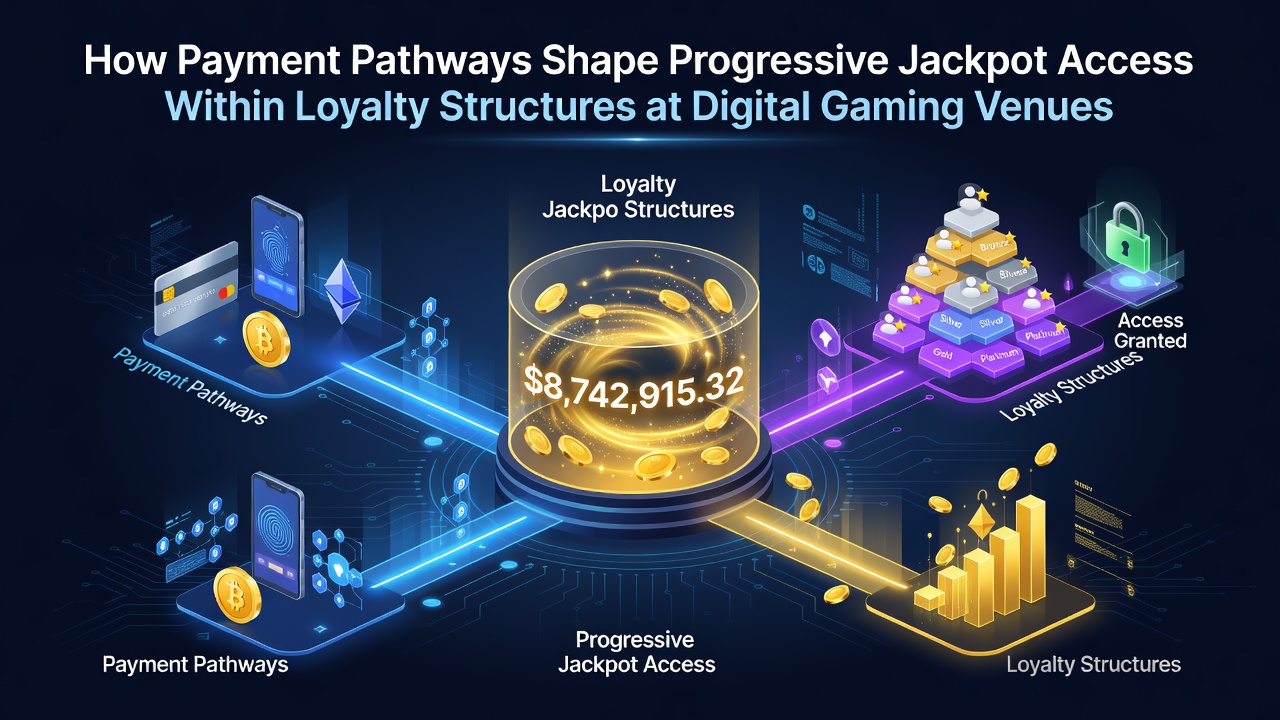
Payment pathways determine how quickly players accumulate loyalty points and unlock higher tiers that grant entry to progressive jackpot pools at digital gaming venues. Transaction speed, verification requirements, and fee structures all influence the rate at which users advance through reward programs, and those programs in turn control eligibility for shared jackpot networks that grow with every wager across multiple platforms. Digital venues integrate payment methods such as bank transfers, e-wallets, and cryptocurrency options directly into loyalty tracking systems. When a deposit processes instantly, the corresponding wager contributes to point totals without delay, whereas slower methods create gaps that push tier advancement into later periods. Observers note that venues adjust jackpot access thresholds according to the average transaction velocity of each payment category, creating distinct pathways for different user segments.Transaction Processing and Point Accrual Mechanics
Payment processing times directly affect how loyalty algorithms calculate progress toward tier thresholds. Instant methods feed data into real-time tracking engines, so points post within minutes and players cross into premium brackets faster. Slower options require batch updates that occur at set intervals, which delays the moment when a player qualifies for jackpot participation. Research from industry reports indicates that venues using automated reconciliation tools reduce these gaps by synchronizing payment ledgers with loyalty databases every few hours.
Fee structures attached to certain pathways also shape net contribution amounts. When a method deducts processing charges before the deposit reaches the gaming balance, the reduced stake generates fewer loyalty points per transaction. Venues that absorb fees for select methods effectively boost point earnings for those users, accelerating their path to jackpot-eligible tiers. Data compiled in October 2026 from multiple platform operators showed measurable differences in average tier climb rates between fee-covered and fee-bearing deposit types.
Loyalty Tiers and Jackpot Pool Eligibility
Loyalty structures typically divide players into bronze, silver, gold, and platinum categories, each tied to cumulative spend or point totals. Progressive jackpot access expands at higher tiers because venues reserve portions of pooled prize money for members who meet minimum activity requirements. Those requirements often include verified deposits through approved pathways, so the choice of payment method indirectly governs which jackpot networks remain available. One study revealed that platinum-tier players using cryptocurrency pathways reached jackpot eligibility windows an average of twelve days earlier than those relying on traditional bank transfers.
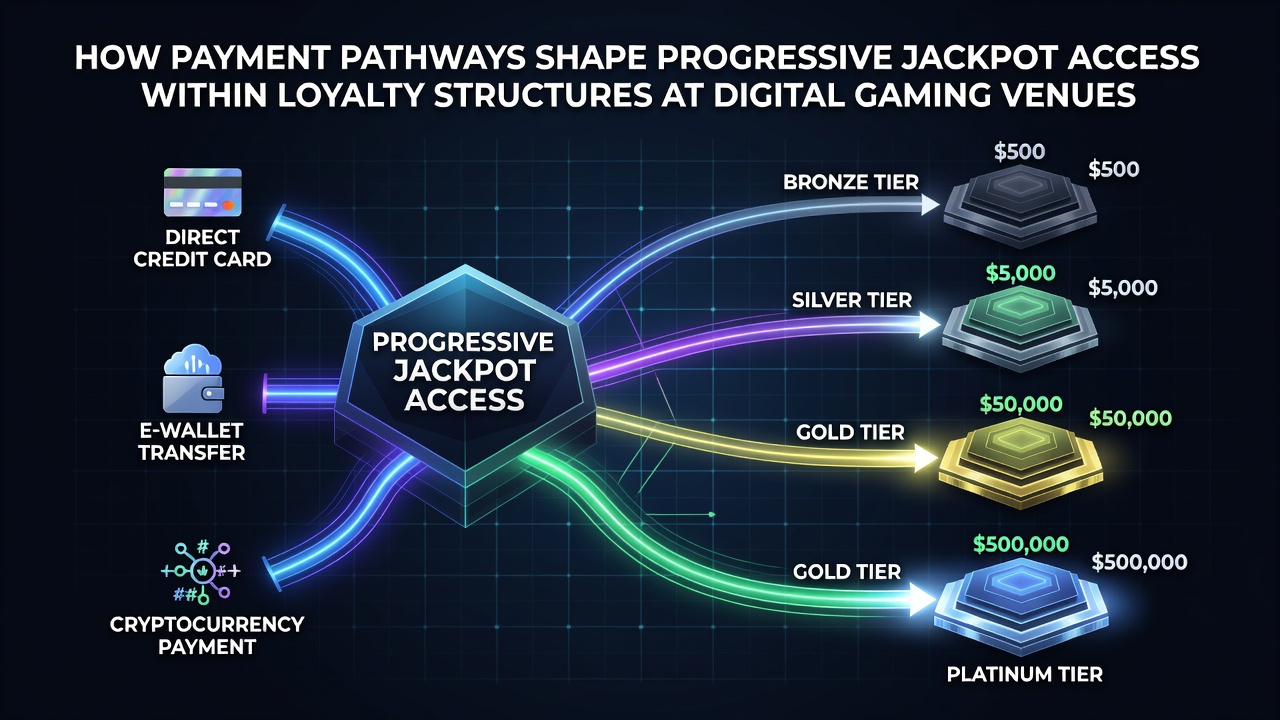
Networked jackpot systems aggregate contributions from many venues, yet individual operators set local rules for tier-based entry. A player who advances quickly through fast-payment channels can join these pools while the prize remains smaller, improving odds relative to later entrants. Conversely, delayed point posting keeps users in lower tiers longer, limiting exposure to the growing prize pool. Regulatory filings from the Nevada Gaming Control Board document how operators must disclose these tier rules to ensure transparency around jackpot distribution.
Regional Variations in Payment and Loyalty Integration
European operators frequently link e-wallet pathways to accelerated loyalty programs because regulatory frameworks encourage rapid fund movement within licensed environments. Australian platforms, by contrast, emphasize bank transfer verification steps that extend the time before points register, which stretches the interval between deposits and jackpot access. These differences appear in aggregated industry analyses released by the Australian Communications and Media Authority, where transaction logs demonstrate clear correlations between payment verification duration and tier progression speed.
North American venues that accept cryptocurrency deposits report higher volumes of loyalty point activity during promotional windows. The decentralized nature of these transfers bypasses some clearinghouse delays, allowing wagers to count toward jackpot pools almost immediately. Academic papers from the International Gaming Institute at teh University of Nevada highlight how this speed advantage concentrates progressive jackpot wins among users who select crypto pathways over conventional options.
Conclusion
Payment pathways function as gatekeepers that control both the pace of loyalty advancement and the timing of progressive jackpot eligibility at digital gaming venues. Faster, lower-friction methods compress the timeline between deposit and tier upgrade, while slower or fee-laden options extend that timeline and restrict access windows. Operators continue to refine these integrations as transaction technologies evolve, and the resulting structures determine which players reach the largest pooled prizes first.